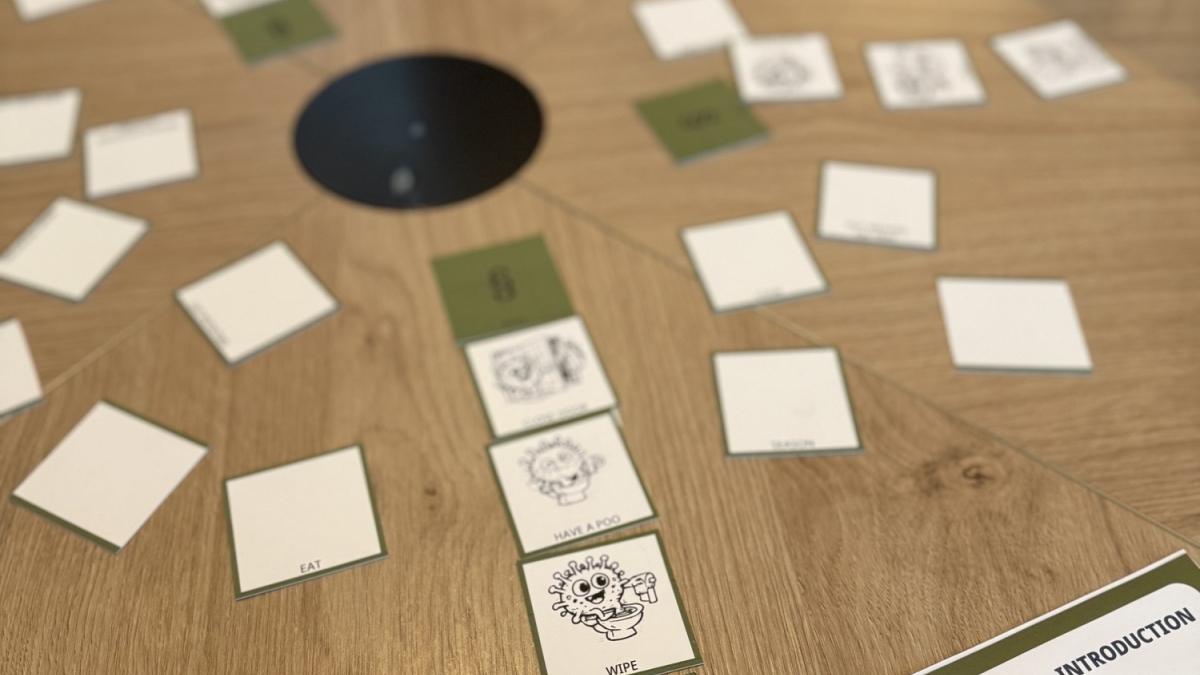
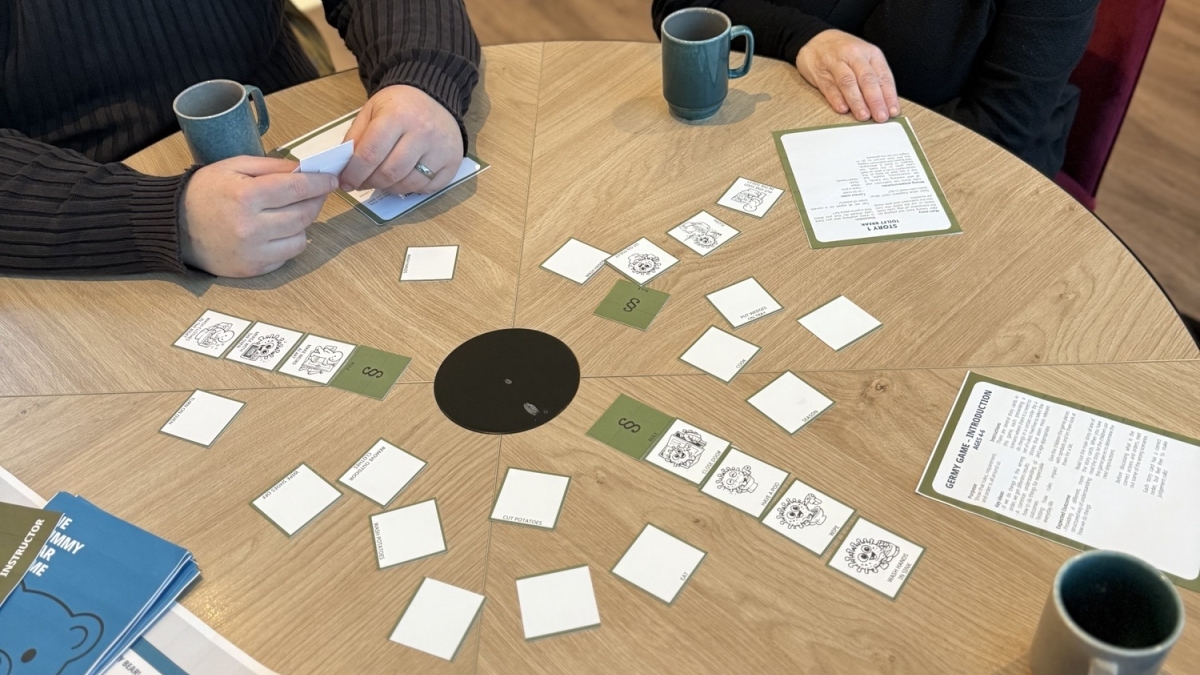
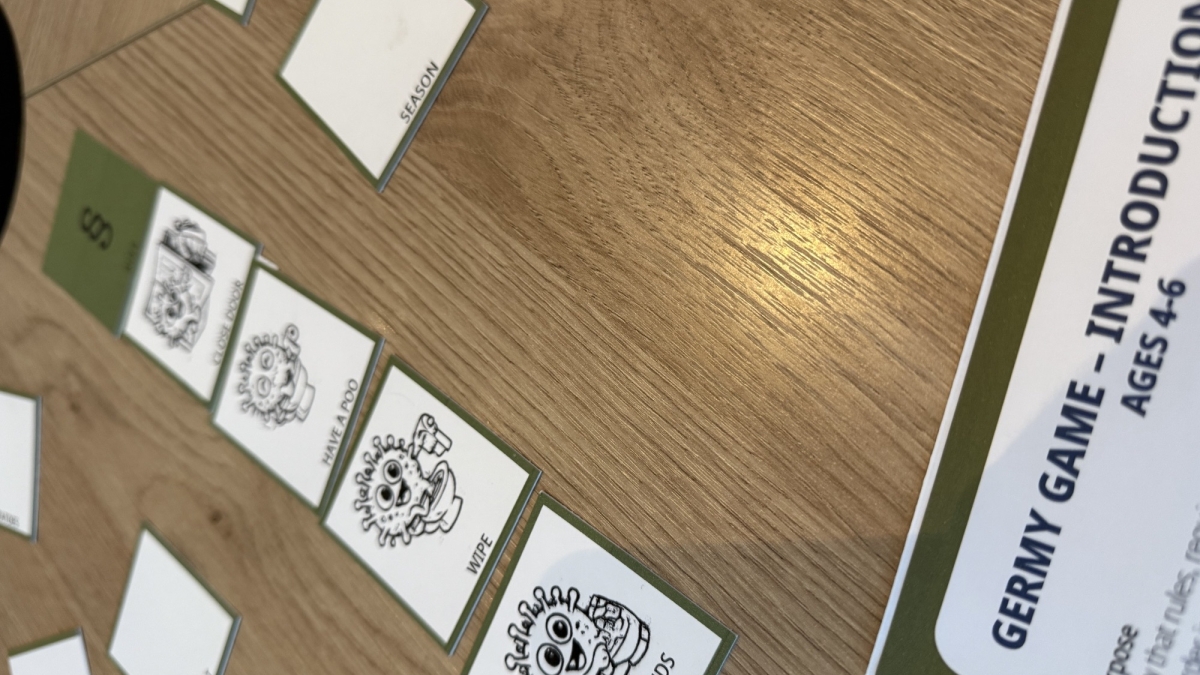
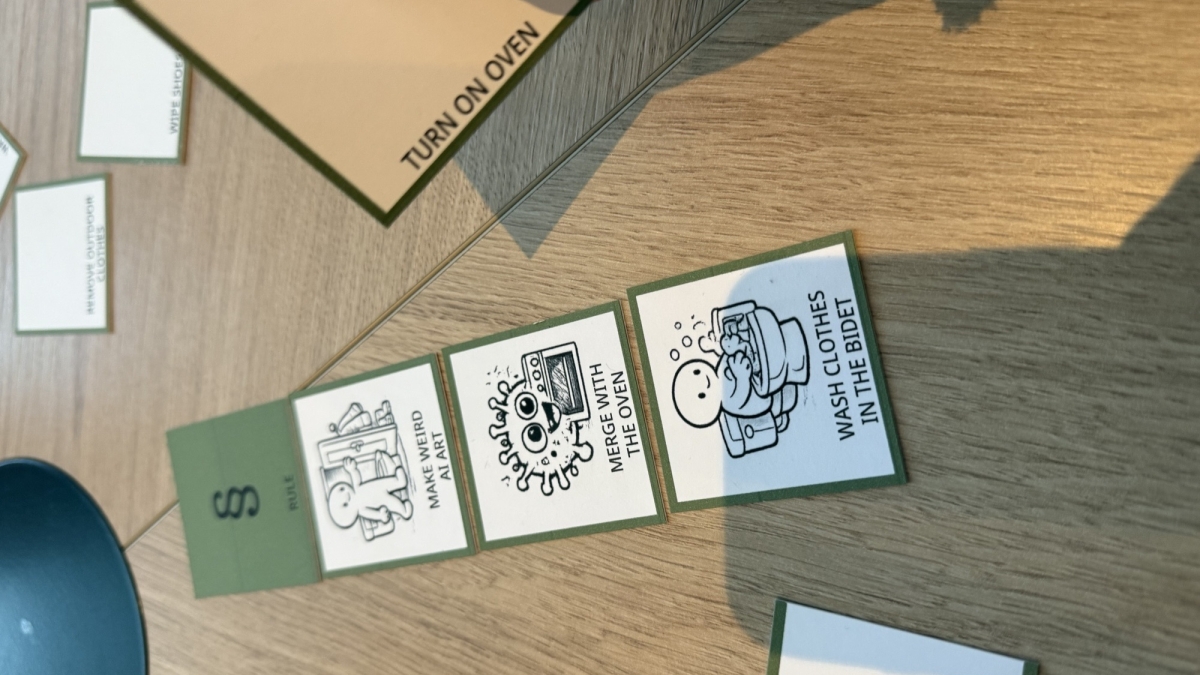
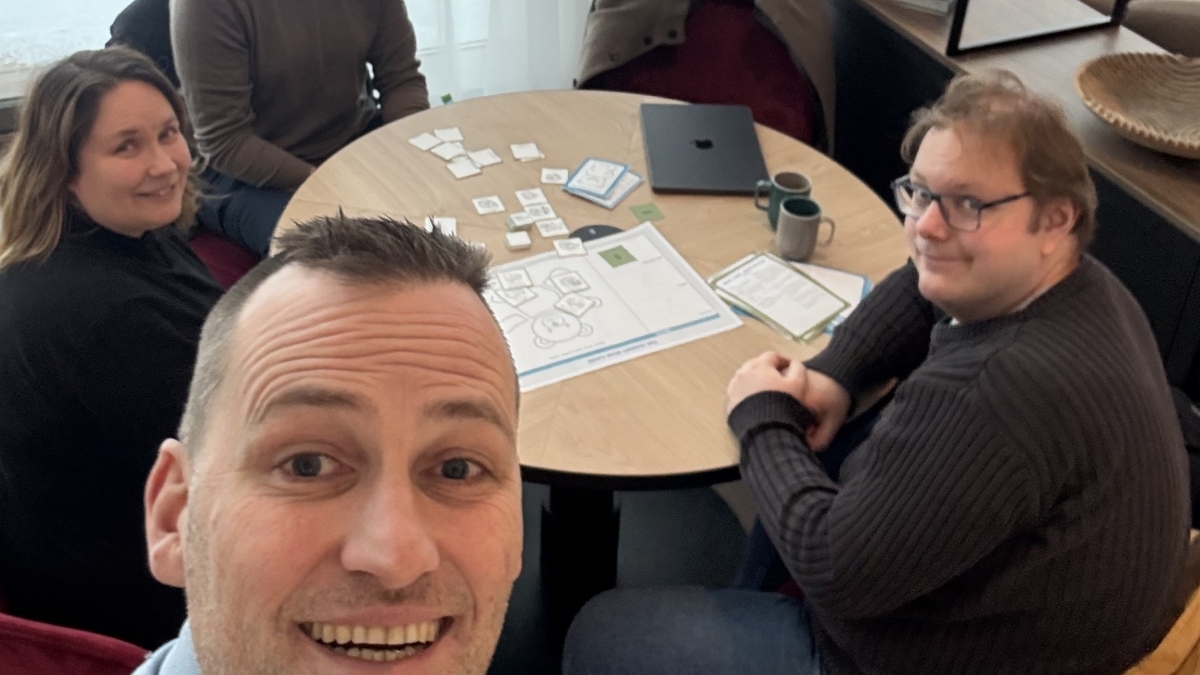
The game concept is a joint project by House of Knowledge and METSA, with Magnus Hakvåg and Håvard Almås from HoK and Päivi Bruno and Frans Nilsen from METSTA
Could you briefly introduce House of Knowledge and its core mission, and explain how learning, innovation, and systems thinking come together in your work?
House of Knowledge is a Norway-based company specializing in capability building and serious game development. Collaborating globally with universities, NGOs, and industry partners, the company designs games that foster collaboration, knowledge exchange, and skill development. With expertise in intellectual property (IP), standards, and technology transfer, House of Knowledge has created multiple serious games for major international organizations, and has developed innovative game solutions for data extraction, governance, and cross-cultural exchange in EU-funded research projects.
You have extensive experience with serious games. Why do you believe game-based learning is particularly effective for helping people, understand complex and abstract topics such as standardization?
There are many reasons why games can be powerful tools for organizational learning. First, it is something new, something different – games can break up the routine and provide a more enjoyable approach to change and learning. Participants can actively do something, developing their own learning rather than simply listening or reading
Moreover, our serious games are bult on a solid theoretical background, and the principles derived from research is what makes it work so well. First, learning. The games are built around the notion that people learn well when working collaboratively. This is enhanced by providing opportunity for using real life experiences in the games. Furthermore, the games use complex, open-ended, yet concrete, problems, which increase learning.
Second, engagement, motivation, and enjoyment. These are key to a successful play session. Through the game and the facilitator, participants are kept interested and appropriately challenged, which increases motivation. This makes players believe in their skills and knowledge – making it more likely that they will apply what they learn.
Lastly, gameplay factors are those rules and concepts that inform game design and play. Making sure groups function optimally through facilitation is one example. Ensuring the game feels close to the reality of the participants is another. This also encompasses contextual factors that must be accounted for, such as education, experience, and learning culture.
Keeping all of this in mind when designing and delivering games is the recipe for success!
What inspired the idea of introducing standardization concepts to kindergarten children through play, such as the gummy bear activity?
The idea started in Finland. At METSTA, Päivi Brunou wanted to find a simple and playful way to explain what standards are, especially to children and families. During a discussion with Amelie Leipprand from DIN, gummy bears emerged as a perfect example because they are familiar, visual, and easy to compare in terms of size, shape, packaging, and quality.
The first trials took place during Finland’s Take Your Child to Work Day, when METSTA organized a workshop where children sorted gummy bears into “standard” and “non-standard” categories. Through tasting, observing, and even designing their own imaginary gummy bears, they quickly understood the idea of consistency, safety, and shared expectations.
This playful experiment later inspired discussions between METSTA and House of Knowledge who started talking about turning the concept into a broader learning experience and eventually into a serious game about standards at the High Level Forum (HLF) for standards in Delft in June 2024.
How do children intuitively grasp ideas like rules, shared solutions, or cooperation without explicitly using the word „standards”?
Children don’t need the word “standards” to understand what standards are. Instead, we try to teach them about the function of standards. The concept and function of standards is actually not that difficult to understand. At the most basic level it’s just an agreed-upon way of doing things – “we all agree to do it this way, so that everyone knows what to expect”. These agreed ways of doing things are already all over in children’s lives. Rules like raising a hand before speaking in school or waiting for a green light to cross the street form predictable patterns in young children’s daily activities.
What we do is expand upon this to help children grasp that similar, but less visible, rules are all around us. To help them see this, we ask questions like what if the gummy bear suddenly tested sour instead of sweet? What if the candy bag suddenly had one huge gummy instead of many tiny ones? They understand that this would be wrong and, crucially, unpredictable. That’s why we need to have shared solutions in place to meet expectations – requiring cooperation.
If you could summarize this project in one key message for policymakers and educators, what that message would be?
Magnus Hakvåg: „Nothing is too complex, it is just a matter of how it is presented and made available through consumption, Game ON!”
Päivi Bruno: „We started with gummy bears, but what children discovered was the idea behind standards: shared expectations.”
Prepared by: Jovana Korićanac